How AI SOC Agents Cut MTTR Dramatically in Modern Security Operations

Introduction
Mean Time to Respond (MTTR) has become one of the most critical performance metrics in modern Security Operations Centers. It measures how quickly security teams can detect, investigate, and contain threats before attackers can cause significant damage. For most organizations, MTTR represents a persistent challenge constrained by human bottlenecks, alert fatigue, and limited staffing resources.
AI SOC agents are fundamentally changing this equation. By eliminating wait times, parallelizing investigations, and automating containment actions, they compress response timelines from hours to minutes while maintaining investigation quality and consistency across every alert.
Understanding the Phases of MTTR
MTTR is not a single measurement but rather a composite of multiple distinct phases, each contributing to overall response time:
1. Mean Time to Detect (MTTD)
Detection speed depends on how well security tools like SIEM, EDR, and NDR platforms are tuned and configured. High fidelity alerts enable rapid detection, while noisy or misconfigured systems create delays. In worst case scenarios, organizations only learn of breaches through external notification from law enforcement, partners, or public data leaks.
2. Mean Time to Acknowledge (MTTA)
This phase measures the elapsed time between alert generation and an analyst beginning investigation work. MTTA consistently represents the largest contributor to overall MTTR because alerts accumulate faster than analysts can process them, creating persistent queues and wait times.
3. Investigation
During investigation, analysts collect context across log sources, endpoint data, and network telemetry to validate whether an alert represents genuine malicious activity or a false positive. The vast majority of alert investigations conclude with benign determinations.
4. Containment
Once a threat is confirmed, the SOC executes containment by isolating compromised systems, disabling accounts, revoking sessions, or blocking malicious network traffic to prevent further damage.
5. Recovery
Recovery typically involves forensic analysis and IT operations teams who fully evict attackers, restore affected systems, and implement remediation measures such as patching vulnerabilities or resetting credentials.
Why MTTA Dominates Traditional SOC Response Times
Ask any SOC leader where response time disappears, and the answer is almost always the same: Mean Time to Acknowledge. While detection operates through automated tooling, investigation follows established workflows, and containment executes known playbooks, acknowledgment depends entirely on human availability and attention.
Several factors compound this challenge:
- Limited staffing: Smaller SOC teams handling enterprise scale telemetry may leave alerts unaddressed for hours
- Workload distribution: Thin coverage or heavy alert volumes create compounding delays
- Skill distribution: Junior analysts may hesitate before engaging complex alerts, extending wait times
- Sequential processing: Human analysts can only investigate one alert at a time, creating unavoidable queues
Even well staffed SOCs with 24x7 coverage face friction from skill level distribution. Senior analysts prioritize the most critical incidents while junior staff may delay engagement with complex scenarios. Unlike detection systems that scale horizontally, human attention remains fundamentally sequential and constrained. This structural limitation makes MTTA the dominant factor in MTTR calculations.
How AI SOC Agents Eliminate MTTA Entirely
In traditional SOC environments, MTTA represents the period where alerts accumulate while analysts work through existing queues. AI SOC agents fundamentally eliminate this phase by acknowledging every alert instantly upon generation. There is no lag, no backlog, no question of analyst availability. The largest component of MTTR simply vanishes.
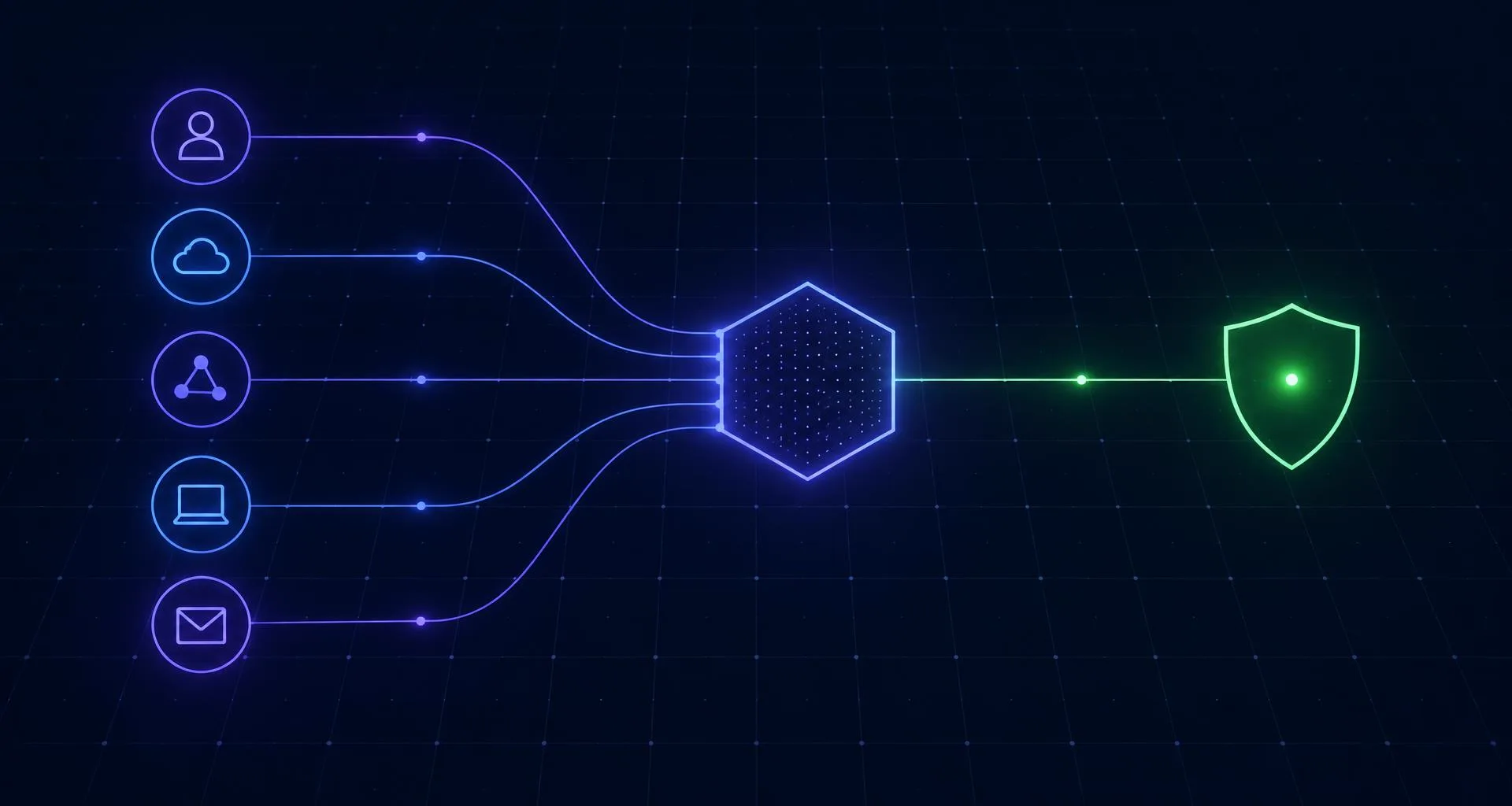
But instant acknowledgment is only the beginning. AI SOC agents immediately initiate comprehensive investigations by:
- Formulating hypotheses about potential benign or malicious indicators
- Querying SIEM platforms for relevant log data
- Retrieving endpoint telemetry from EDR solutions
- Correlating identity information from directory services
- Cross referencing threat intelligence from external feeds
All of this analysis begins immediately without waiting for human initiation. For SOC leadership, this means the response clock starts ticking on actual investigation work rather than queue wait times.
Parallel Investigation Processing at Scale
Human analysts face constant prioritization decisions about which alerts to investigate first. AI SOC agents operate without this constraint, launching multiple investigations simultaneously while applying consistent analytical rigor to each one regardless of severity classification.
This parallel processing capability delivers several strategic advantages. For a comprehensive overview of the architecture behind these systems, read our guide on what AI SOC agents are and how they work.
- No alerts remain idle while the team processes a queue
- No critical signals are missed due to capacity constraints
- Consistent investigation quality across all alert types
- Complete coverage of the alert surface without gaps
Typical AI SOC agent investigations complete in three to ten minutes while maintaining thorough evidence collection, activity correlation, and clear analytical findings. This speed and consistency compresses MTTR while ensuring complete alert coverage that would be impossible with human only staffing models.
Automating Investigations and Accelerating Containment
Investigation phases traditionally consume substantial analyst time and cognitive capacity. Human analysts must manually collect information from multiple disparate systems:
- Endpoint and cloud logging platforms
- Identity and access management directories
- Firewall and network security controls
- Threat intelligence databases
Context switching across these systems creates friction that compounds when alert volumes increase.
AI SOC agents transform this workflow by automatically collecting and correlating relevant data across all integrated systems the moment investigation begins. Log entries, correlated events, and external intelligence consolidate without human intervention into organized records that highlight suspicious patterns, anomalous behaviors, and likely root causes.
The output is not raw data but structured analysis formatted for immediate action. Every investigation receives identical thorough treatment regardless of team workload or time of day. Investigations that previously required hours now consistently complete in minutes, eliminating repetitive manual work and allowing human analysts to focus on strategic judgment and complex threat analysis.
Automated Containment After Threat Confirmation
Once a threat is confirmed, response speed becomes paramount. Every minute of attacker access increases risk of privilege escalation, lateral movement, or data exfiltration. In traditional SOCs, containment depends on analyst availability and sometimes requires coordination across multiple teams, creating additional delays.
AI SOC agents collapse this delay by executing containment actions immediately upon threat verification:
- Disabling compromised user accounts
- Blocking malicious IP addresses and domains
- Quarantining affected endpoints
- Terminating malicious processes
- Revoking suspicious authentication sessions
This automated containment stops attacker activity within minutes, preventing further compromise and reducing the scope of required remediation.
Containment vs Remediation: Understanding the Distinction
It is essential to distinguish between automated containment and follow up remediation:
- Containment: Immediate actions that halt attacker activity and stabilize the situation
- Remediation: Subsequent work including system reimaging, credential rotation, vulnerability patching, and root cause analysis
By automating containment, AI SOC agents provide human teams with controlled breathing space to manage comprehensive remediation without the pressure of active attacker presence. This separation reduces analyst stress, improves decision quality, and enables more thorough security restoration.
Measuring the Impact on MTTR
Organizations deploying AI SOC agents consistently report dramatic MTTR improvements:
- 90% reduction in overall Mean Time to Respond
- Complete elimination of Mean Time to Acknowledge delays
- 3 to 10 minute investigation completion times regardless of complexity
- Immediate containment execution upon threat confirmation
- 100% alert coverage without additional headcount requirements
These improvements represent more than operational efficiency gains. They enable fundamental shifts from reactive firefighting to proactive threat hunting, from partial alert coverage to comprehensive monitoring, and from analyst burnout to strategic security operations.
The Strategic Shift Enabled by AI SOC Agents
Compressing MTTR through AI automation creates downstream effects that transform overall security posture:
- Reduced dwell time: Faster detection and response limits attacker opportunity windows
- Improved analyst satisfaction: Eliminating repetitive triage work reduces burnout and improves retention
- Enhanced threat coverage: Parallel processing ensures no alerts slip through capacity gaps
- Consistent quality: Automated investigations maintain thoroughness regardless of workload or time
- Proactive operations: Freed capacity enables threat hunting and security improvements
Organizations that embrace AI SOC agents move beyond the constraints of human only staffing models while amplifying the strategic impact of their security teams.
Conclusion
MTTR remains one of the most important performance indicators for security operations, but it no longer needs to be constrained by slow acknowledgment queues and resource limited investigations. AI SOC agents eliminate MTTA entirely, execute parallel investigations that complete in minutes, and automate containment actions that stop threats before they spread.
The result is faster, more consistent threat response across every alert while enabling security teams to shift from reactive operations to proactive defense strategies. As attack speeds continue to accelerate and SOC staffing challenges persist, AI powered response capabilities are becoming essential for maintaining effective security operations at scale.
Organizations that adopt AI SOC agents gain not just faster MTTR metrics but fundamentally more resilient security postures capable of meeting the demands of modern threat landscapes.