Reducing Alert Fatigue: A Guide for SOC Teams

Introduction
Security operations centers are overwhelmed. Modern environments generate thousands of alerts every day, and up to 97 percent are false positives. Analysts must triage endless notifications across cloud workloads, identity systems, endpoints, networks, and SaaS platforms. The result is alert fatigue, a critical operational risk that affects detection accuracy, increases burnout, and slows incident response.
But alert fatigue is not just a burden. It is a powerful opportunity. Organizations that adopt AI driven, autonomous SOC platforms can eliminate noise, accelerate investigations, and transform their security posture within weeks. This guide explains the cost of alert fatigue, strategies to reduce it, and how next generation AI powered SOC technology solves the problem at scale.
Understanding Alert Fatigue
Alert fatigue happens when analysts receive more alerts than they can investigate. Traditional SIEM, EDR, and network tools flood SOC teams with raw notifications rather than actionable intelligence. As analysts become desensitized to constant noise, the likelihood of missing real threats increases dramatically.
This issue is structural, not human. It is caused by disconnected tools, static rules, poor correlation, and the exponential growth of enterprise attack surfaces.
The True Cost of Alert Fatigue
Why it's expensive, dangerous, and unsustainable
Financial Impact
Human Impact
Security Impact
The True Cost of Alert Fatigue
Operational and Financial Impact
- Average data breach now costs $4.45 million
- 38 percent increase in operating expenses resulting from inefficient alert handling
- Organizations lose up to $2.5 million annually in analyst productivity
Human and Workforce Impact
- 70 percent of SOC analysts report severe burnout
- Security teams experience up to 65 percent annual turnover
- Average threat response can be delayed by 45 minutes due to alert overload
Security and Risk Impact
- 23 percent higher likelihood of missing critical threats
- 67 percent decrease in detection accuracy
- Incident resolution times often increase by 5 times
Alert fatigue is expensive, dangerous, and unsustainable for modern enterprises.
Turning Alert Fatigue Into an Opportunity
The limitations of MDR and XDR platforms highlight a broader truth: human centric triage cannot scale with machine speed threats. SOC teams require systems that correlate data automatically, reduce noise, and generate investigations without manual effort.
This is where a next generation SOC platform—built on AI, automation, and real time analytics—creates a transformational advantage.
Strategies to Reduce Alert Fatigue
1. Intelligent Alert Prioritization
Not all alerts carry equal risk. Advanced AI systems prioritize alerts based on behavior, context, asset value, and threat likelihood.
Benefits include:
- Up to 92 percent reduction in false positives
- Alerts ranked by real business impact
- Automatic correlation into unified incidents
Organizations commonly see alert volume drop from thousands of raw events to a few hundred high fidelity investigations.
2. Automate Response to Common Alerts
Automation eliminates repetitive triage and improves consistency.
Examples include:
- Auto isolating compromised endpoints
- Enforcing MFA during risky logins
- Blocking malicious IPs and domains
- Resetting suspicious user sessions
AI driven automation can reduce mean time to respond from hours to minutes. For a deeper look at how these autonomous systems function, see our detailed explanation of how AI SOC agents work.
3. Continuous Tuning and Optimization
Detection rules must evolve as environments change. AI driven SOC platforms continuously learn from real incidents and analyst decisions.
Enhancements include:
- Identifying and removing persistent false positives
- Adjusting detection thresholds in real time
- Using predictive analytics to prevent alert spikes
This ensures long term reduction in noise and improved detection accuracy.
How a Modern AI Powered SOC Platform Solves Alert Fatigue
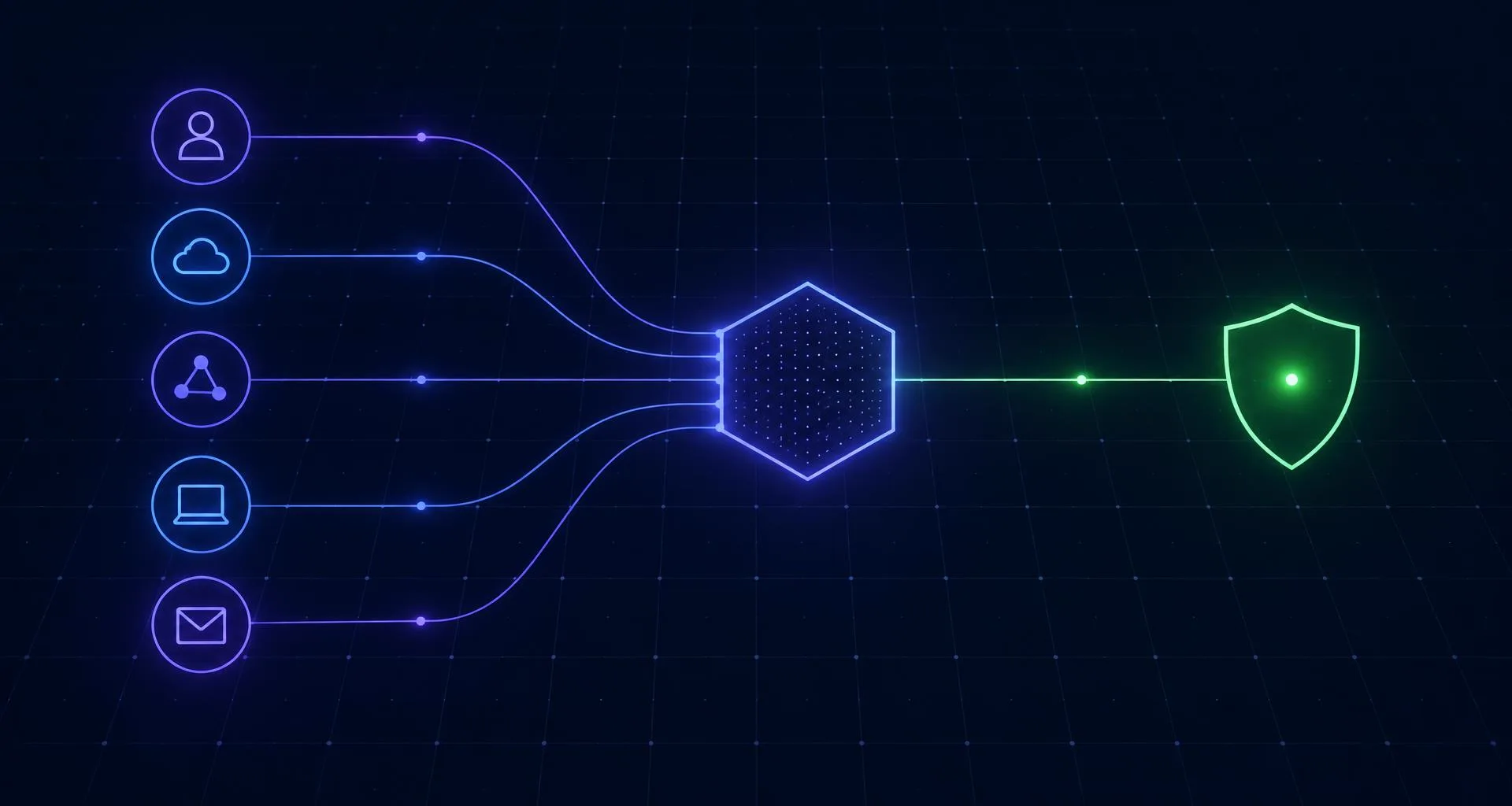
Next generation SOC platforms go beyond MDR and XDR by combining AI, automation, and cross domain correlation into a single intelligence engine.
Key capabilities include:
- Automatic correlation across endpoints, cloud, identity, and network telemetry
- Machine generated investigations with evidence, timelines, and context
- Real time threat scoring based on behavioral analytics
- Automated containment actions at machine speed
- Adaptation to new attack techniques without manual rule updates
This reduces noise by over 85 percent, improves detection accuracy by more than 70 percent, and increases analyst productivity by up to 5 times. To understand how these intelligent systems operate under the hood, explore our guide on what AI SOC agents are and how they operate.
Proven Results From AI Driven SOC Transformation
Organizations adopting this approach typically achieve:
Alert Management Improvements
- 85 percent reduction in alert volume
- False positives cut from 95 percent to below 10 percent
- 340 percent improvement in alert to incident conversion
Operational Efficiency
- 78 percent faster threat detection (MTTD)
- 91 percent improvement in response times (MTTR)
- 5 times more efficient analyst workload
Business Impact
- 425 percent average ROI within 12 months
- 60 percent reduction in compliance preparation time
- 73 percent boost in analyst satisfaction
These outcomes demonstrate that alert fatigue is solvable with the right platform and strategy.
Proven Results From AI-Driven Transformation
Real outcomes from organizations adopting AI-powered SOC platforms
Alert Management
Operational Efficiency
Business Impact
Conclusion
Alert fatigue is one of the most pressing challenges facing SOC teams, but it also presents an opportunity for meaningful transformation. By leveraging intelligent alert prioritization, automation, and AI driven continuous optimization, organizations can dramatically reduce noise, strengthen detection capabilities, and enhance team performance.
Modern AI powered SOC platforms are redefining what is possible in security operations. Teams that adopt this model will operate faster, smarter, and with far greater confidence turning alert fatigue from a risk into a strategic advantage.